
Introduction
For decades, architectural and interior design visualization was one of the most expensive and time-consuming phases of any project. Traditional 3D rendering required high-end hardware workstations, expensive software licenses like V-Ray or Corona, and dozens of hours per frame.
In 2026, Generative AI rendering has completely disrupted this dynamic. By shifting from traditional ray-tracing to real-time AI image generation, design firms are drastically cutting client turnaround times and overhead expenses.
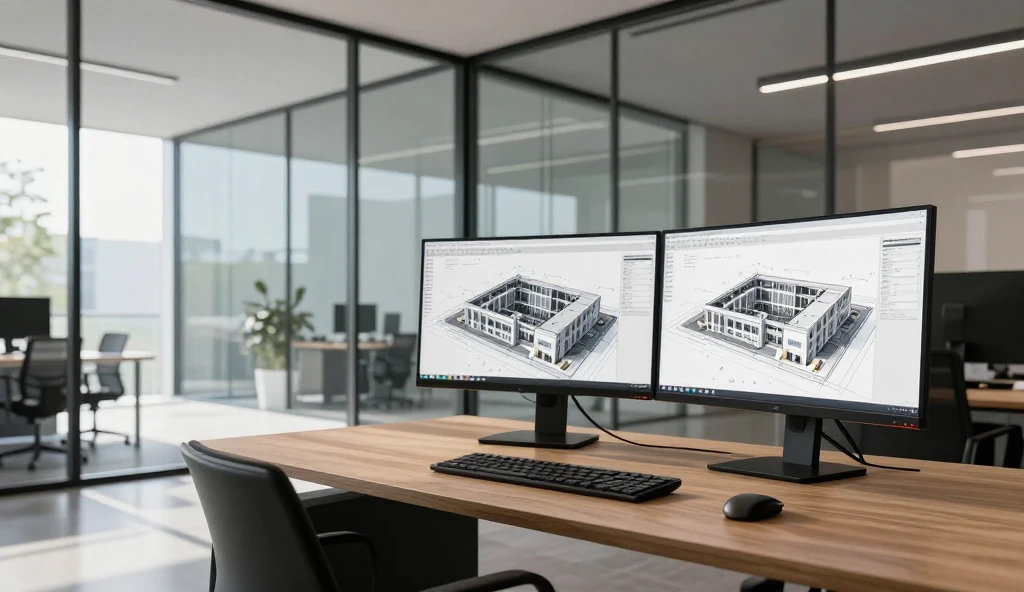
1. Time Efficiency: From Days to Minutes
In a traditional 3D pipeline, generating a single high-resolution architectural 3D render takes hours of light baking, texture setup, and post-processing.
- Traditional Workflow: 8 to 24 hours per perspective render.
- AI-Assisted Workflow: 2 to 5 minutes using tools like Veras, LookX, or Midjourney.
This speed allows architectural studios to present multiple design iterations during the first client meeting rather than waiting weeks for revision rounds.
2. Drastic Reduction in Hardware Overhead
Setting up a local “render farm” or subscribing to costly cloud rendering services traditionally cost design firms thousands of dollars annually. AI generation runs primarily in the cloud via browser platforms or lightweight software plugins, removing the immediate need for ultra-expensive GPUs for initial presentation drafts.
3. Accelerating the Concept Approval Phase
The biggest financial loss for architects often happens during the early concept phase, where clients struggle to visualize floor plans and demand constant changes. By using quick AI conceptual prompts:
- Clients can visualize materials (e.g., travertine vs. exposed concrete) in real time.
- Studios narrow down client preferences before investing manual labor into final BIM/CAD modeling.
Conclusion: Higher Margins for Modern Studios
Integrating AI into architectural rendering isn’t just about technical innovation—it’s a high-impact financial decision. Studios that adopt AI workflows lower their operational costs, improve profit margins, and deliver projects faster than traditional competitors.