
Introduction
Interior design is moving faster than ever. Clients no longer want to wait weeks just to visualize a spatial concept or material palette. By mastering the art of AI prompting, interior designers can generate realistic room concepts, test color palettes, and experiment with lighting styles in seconds.
Whether you are using Midjourney, DALL-E 3, or LookX, writing effective prompts is the key to getting precise, professional results. In this guide, we break down the exact framework for crafting high-converting interior design prompts.
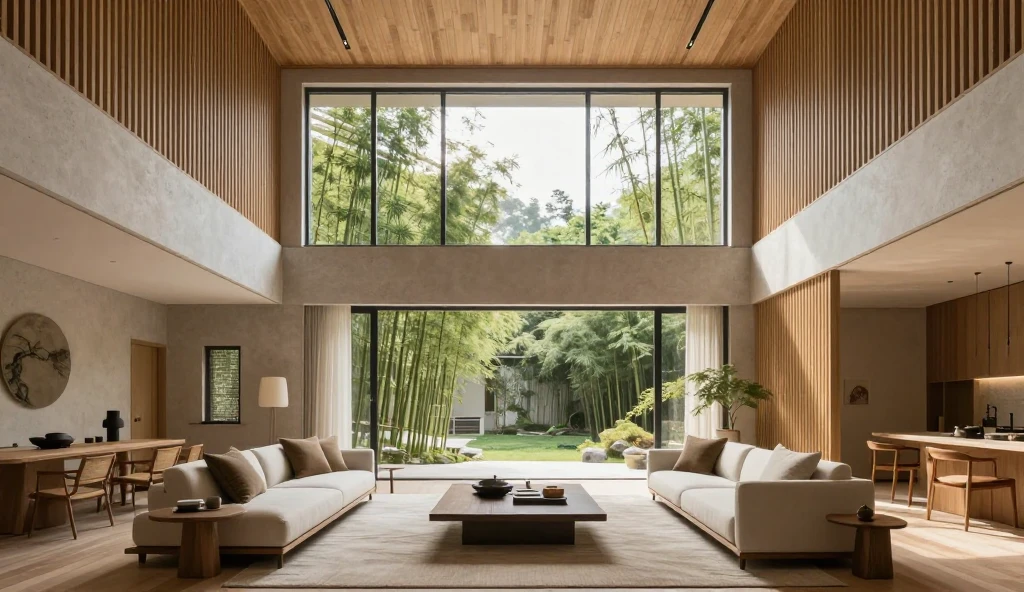
1. The Formula for a Perfect Interior Design Prompt
To get predictable, high-quality visuals from AI tools, avoid vague descriptions like “a beautiful living room.” Instead, use this structured formula:
$$\text{[Room Type]} + \text{[Architectural Style]} + \text{[Materials \& Lighting]} + \text{[Color Palette]} + \text{[Camera / Photography Style]}$$
- Example: “A spacious minimalist living room, japandi style, micro-cement floor, light oak wood paneling, floor-to-ceiling windows, natural soft morning light, photographed for Architectural Digest, 8k resolution.”
2. Choosing the Right Style Keywords
Keywords serve as anchors for AI algorithms. Incorporating defined interior design styles helps the AI generate accurate spaces:
- Biophilic Modern: Focuses on natural elements, indoor plants, raw timber, and maximum sunlight.
- Warm Minimalism: Combines clean lines with textured plaster walls, travertine, and neutral tones.
- Industrial Elegance: Features exposed concrete, matte black steel frames, polished marble, and Edison bulb accents.
3. Controlling Lighting and Atmospheres
Lighting can make or break a visualization render. Specify the light source and mood clearly in your prompts:
- Golden Hour: Perfect for warm, inviting residential concepts.
- Blue Hour / Ambient Dusk: Ideal for moody, luxury commercial spaces like hotel lounges or fine dining restaurants.
- Diffused Daylight: Best for clean, bright, and airy residential spaces.
4. Refining Details with Negative Prompts
Sometimes telling the AI what not to include is as important as telling it what you want. Use negative keywords (or --no parameters in Midjourney) to filter out common mistakes:
- Common Negatives:
cluttered, blurry textures, distorted geometry, unrealistic furniture placement, over-saturated colors.
Conclusion: Elevating Client Presentations
AI prompting isn’t about replacing human design instinct—it’s about accelerating ideation. By applying this structured prompting guide, interior designers can instantly translate client briefs into striking visual concepts, saving time during initial consultation phases.