
Introduction
The architectural and interior design landscape has experienced a monumental shift. Artificial Intelligence is no longer just a trend—it has become an essential co-pilot for architects, space planners, and interior designers. From generating photorealistic 3D renders in seconds to optimizing complex BIM workflows, AI tools are saving design studios hundreds of hours.
In this guide, we explore the top 5 AI tools that every architect and interior designer should master in 2026 to elevate their design workflow and boost productivity.
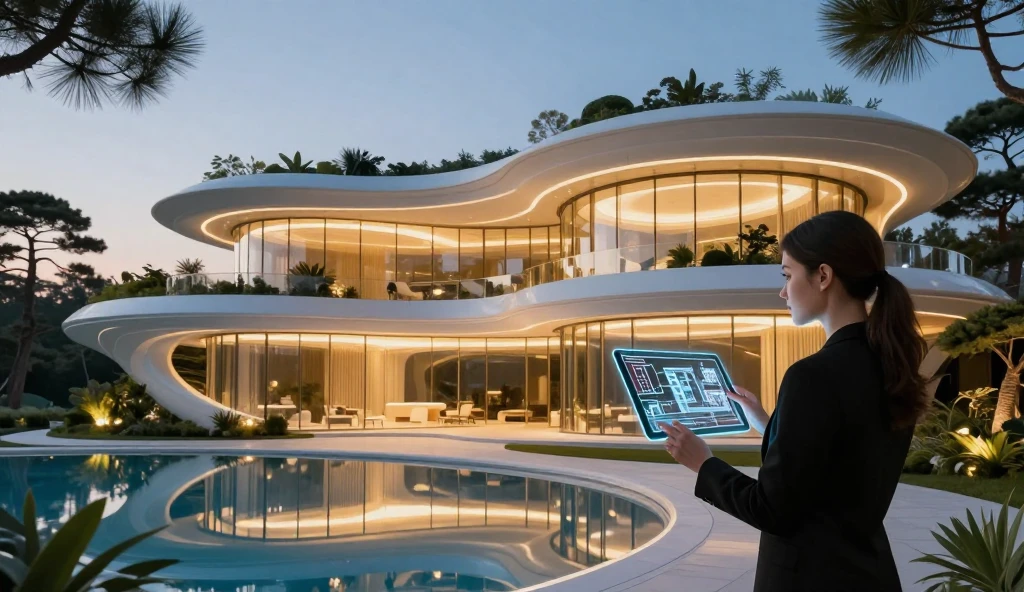
1. Midjourney v6: Unmatched Conceptual & Visual Inspiration
When it comes to early-stage ideation and mood boards, Midjourney remains the undisputed king of generative AI.
- Best For: Mood boards, conceptual exterior architecture, and futuristic interior design concepts.
- Key Strengths: High resolution, photorealistic material textures, and precise lighting controls using advanced prompting.
- Pro Tip: Combine Midjourney prompts with specific architectural terms like “parametric architecture,” “minimalist brutalism,” or “biophilic design” to achieve hyper-targeted visuals.
2. Veras AI: Real-Time AI Rendering for Revit, SketchUp & Rhino
If you rely heavily on 3D modeling software, Veras by EvolveLAB is a game-changer. It integrates directly as a plugin into Revit, SketchUp, and Rhino.
- Best For: Converting raw 3D models into polished visualization renders instantly.
- Key Strengths: Preserves the exact geometry of your model while applying realistic textures, atmospheric lighting, and landscape details.
- Why Architects Love It: You don’t need to spend hours configuring V-Ray or Corona setups for draft presentations.
3. LookX AI: Built Specifically for Architectural Professionals
Unlike general-purpose image generators, LookX AI is trained specifically on architectural datasets and spatial design principles.
- Best For: Precision rendering, style consistency, and architectural prompt control.
- Key Strengths: Offers deep control over geometry, surface materials, and lighting parameters without losing structural realism.
- Monetization Angle: Highly recommended for professional studios seeking consistent client presentation standards.
4. Maket.ai: Automated Floor Plan Generation & Zoning Code Compliance
AI isn’t just about pretty images; it’s also about space planning and technical feasibility. Maket.ai focuses on the structural and functional side of architecture.
- Best For: Residential floor plan layout generation, room adjacency testing, and zoning exploration.
- Key Strengths: Generates multiple spatial variations based on client constraints and site dimensions within minutes.
5. Adobe Firefly & Photoshop AI: Seamless Post-Production & Retouching
No render is complete without fine-tuning, and Adobe Firefly seamlessly embedded in Photoshop makes post-production faster than ever.
- Best For: Post-rendering touch-ups, adding vegetation, people, or altering weather conditions.
- Key Strengths: Generative Fill allows architects to remove unwanted visual noise or swap materials effortlessly.
Conclusion: How to Integrate AI into Your Architectural Workflow
AI will not replace architects; however, architects who use AI will undoubtedly replace those who don’t. By incorporating tools like Midjourney for concept generation, Veras for rapid rendering, and Maket.ai for planning, design firms can deliver projects faster and win more client pitches.